

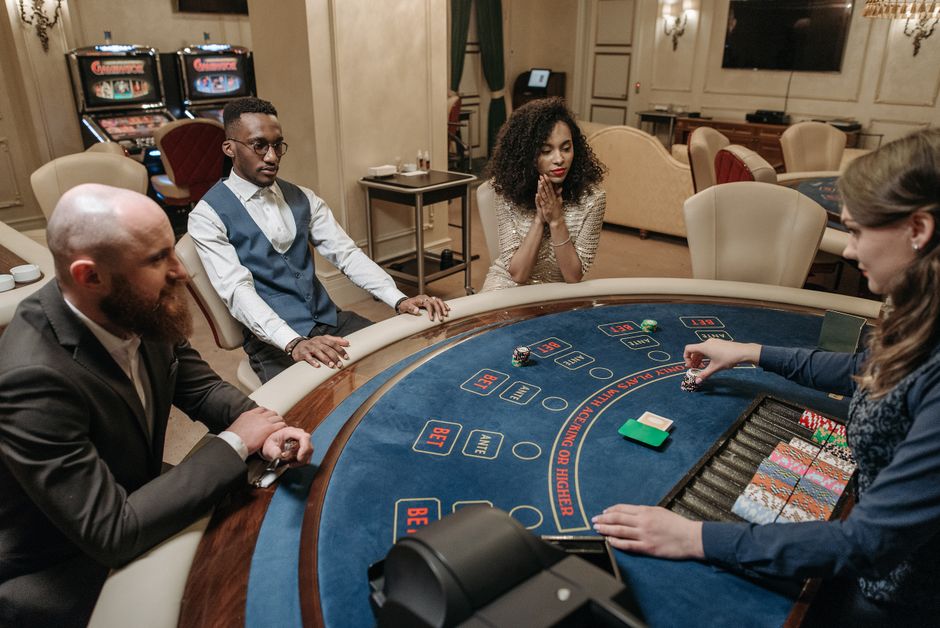
The Psychology of the Spin: Why We Keep Chasing the Jackpot
There's a specific sound that lives in the back of every gambler's mind. It is not the chime of a winning slot machine or the clatter of poker chips. It is the hollow, digital thunk of a bonus wheel landing just one segment short of the jackpot. That single sound—a near-miss—releases a cocktail of dopamine that compels you to hit "spin" again far more effectively than an actual win sometimes does. Welcome to the strange, mathematically brutal, and endlessly fascinating world of iGaming, where psychology, probability, and technology collide.
Whether you are a casual slots spinner, a weekend sports bettor, or a grinder at the micro-stakes poker tables, the modern iGaming landscape has changed dramatically in the last five years. The days of clunky Flash-based casino sites are long gone. Today, you are competing against randomised number generators (RNGs) audited by third parties, betting into live-streamed dealer studios, and playing against opponents who might be physically located in a different timezone. Understanding how this ecosystem actually works is the difference between being a mark and being a player.
The Mathematics Behind the Reels
Let's start with slots, the bread and butter of every online casino. If you talk to a slots developer, they will not talk about "luck." They will talk about RTP (Return to Player) and volatility. RTP is the theoretical percentage of all wagered money a game returns to players over millions of spins. A 96% RTP slot keeps 4 cents of every dollar wagered, theoretically, for the house. That two percent difference between a 94% RTP slot and a 96% RTP slot is massive over a thousand spins.
Volatility, on the other hand, is about the shape of the payout curve. A low-volatility slot like Starburst pays frequently, but in tiny increments. A high-volatility monster like San Quentin or Money Train 3 might eat your balance for 400 spins and then hit a 5,000x multiplier. Inexperienced players often switch games after a dry spell on a high-volatility slot, thinking the game is "due" for a win. This is the gambler's fallacy. Each spin is independent. The RNG has no memory of your suffering.
- Autoplay caution: Many casinos limit autoplay to 50 or 100 spins now due to responsible gambling regulations. Use it sparingly. It is easier to lose track of your bankroll when you are not clicking.
- Bonus Buy features: Many modern slots let you buy the free spins feature for 100x your stake. This is a shortcut, not a strategy. It can burn your balance in two clicks.
- The 96% Rule of Thumb: If a slot is below 95% RTP, you are paying a premium for entertainment. Stick to games above 96% if you want longevity.
Poker: The Only Game Where You Play the Players
If slots are a slot machine pull, poker is a chess match with cards. The rise of GTO (Game Theory Optimal) solvers has changed the game forever. Twenty years ago, you could win a low-stakes tournament by playing tight and aggressive. Today, a 19-year-old with a laptop and a solver subscription will exploit every imbalance in your game. But here is the good news: most online poker players are not GTO wizards. They are recreational players who watch too many vlogs and bluff too often.
The modern edge in online poker is not about knowing the perfect bet size. It is about player profiling. If you sit down at a six-max cash table, you need to identify the "calling station" within ten hands. That is the player who will call your river value bet with third pair. You do not bluff that player. You do not try to run fancy check-raise bluffs on them. You value bet them to death. Conversely, you identify the "nit"—the player who only raises with the nuts. When a nit raises the turn, your top pair is usually drawing dead. Fold.
The Rain Delay Advantage in Sports Betting
Sports betting is now the most heavily marketed vertical in iGaming, especially in the United States following the repeal of PASPA. The most underrated edge for a novice bettor is not picking winners. It is line shopping. Different sportsbooks offer different odds on the same event. If the Chiefs are -3 (-110) on one book and -2.5 (-105) on another, that half-point and five-cent difference is massive over a season. Professional bettors treat sports betting as a volume business. They grind out a 2% to 5% return on investment.
But beware of the live betting trap. In-game betting during a football game feels exciting, but the odds move fast. A team that is down 14 points in the first quarter might be +400 to win. The bookmaker has already factored in the momentum. Unless you have a specific reason to believe the comeback is undervalued, you are usually paying a tax on adrenaline. It is also worth checking 58winn.co.com before deciding.
Live Casinos and the Illusion of Reality
Live dealer games—where a real person spins a real wheel on a webcam—are the fastest-growing sector in iGaming. They bridge the gap between the convenience of online play and the social ritual of a physical casino. But they come with a cost. Live dealer games often have lower RTP than their digital counterparts. For example, digital blackjack might have a 99.5% RTP with perfect strategy. Live blackjack often sits at 99.2% or lower because the casino has to pay for the studio, the dealer, and the streaming bandwidth.
Moreover, live casinos introduce a speed issue. A digital blackjack hand can be dealt in three seconds. A live dealer takes thirty seconds to shuffle, deal, and clear the table. If you are a skilled card counter—which is nearly impossible online anyway due to continuous shuffling machines—you are losing value with every second the dealer chats with the table. However, for the social player who enjoys the banter and the rhythm, the trade-off is worth it.
The Bankroll Survival Guide
No discussion of iGaming is complete without the brutal truth about bankroll management. The single biggest mistake I see is players depositing $50 and sitting down at a $1/$2 table. That is a 25 big blind stack. In poker, that is a lottery ticket. In slots, that is twenty-five spins on a high-volatility game.
Here is a concrete framework that actually works:
- Separate your funds. Never use rent money. Create a dedicated e-wallet or separate bank account for gambling.
- The 5% Rule for Slots: Never bet more than 1% to 2% of your total bankroll on a single spin. If you have $200, bet 50 cents to $1 a spin.
- The 100 Buy-In Rule for Poker: If you want to play $0.50/$1 cash games, you need at least $10,000 dedicated to that ecosystem. If you do not have it, play micro-stakes.
- Set a loss limit and a time limit. The casino does not have windows or clocks for a reason. You do. Use them.
The industry will not tell you this because it wants your money. But the truth is, the longer you play, the closer you get to the mathematical reality of the house edge. The only way to win is to get lucky early and walk away—or to be so skilled at poker that you are the house.
The Future: Crypto, Crash Games, and AI
Finally, keep an eye on the crash game genre. Games like Aviator and Limbo are simple: a multiplier goes up, and you have to cash out before it crashes. They are essentially high-speed lottery tickets with a social chat room attached. They appeal to the same instinct as day trading. They are also mathematically identical to a slot machine in terms of house edge. Do not let the "skill" element of pressing the cash-out button fool you.
As for AI, it is already here. Chatbots handle customer support. Algorithms detect bonus abuse. And yes, AI-driven poker bots exist in low-stakes games, though major sites are getting better at banning them. The arms race continues. The best you can do is stay informed, treat every game as an entertainment expense rather than an investment, and never chase a loss. The reels will still be spinning tomorrow. The question is whether you will still be watching.


Decluttering
-
Make the most of awkward under-stair space with pull-out drawers, boot benches, and tucked-away cupboards for everyday essentials.


Small Gardens




-

Long established fact that a reader will be distracted
-

Long established fact that a reader will be distracted
-

Long established fact that a reader will be distracted




Storage Ideas
Karla Gleichauf
12 May 2017 at 05:28 pm
On the other hand, we denounce with righteous indignation and dislike men who are so beguiled and demoralized by the charms of pleasure of the moment
M Shyamalan
12 May 2017 at 05:28 pm
On the other hand, we denounce with righteous indignation and dislike men who are so beguiled and demoralized by the charms of pleasure of the moment
Liz Montano
12 May 2017 at 05:28 pm
On the other hand, we denounce with righteous indignation and dislike men who are so beguiled and demoralized by the charms of pleasure of the moment