

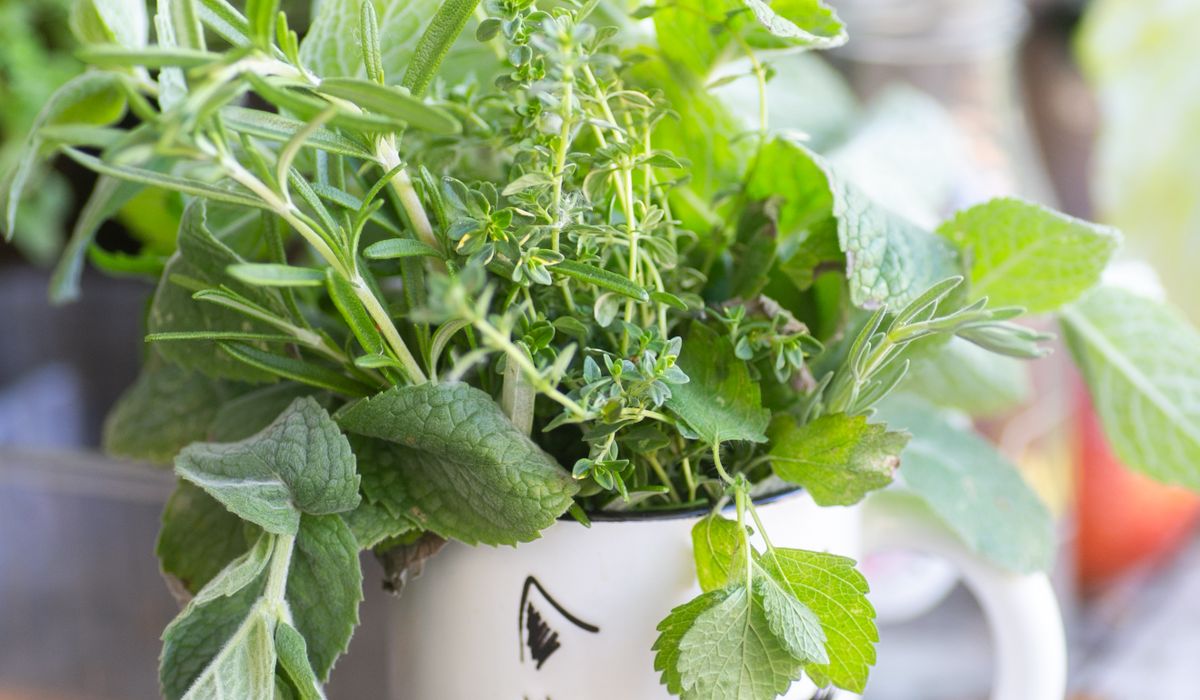
Low-Maintenance Planting for a Tiny Courtyard
Start With Your Courtyard's Real Conditions
A tiny courtyard is not a small version of a big garden. It is a sheltered, enclosed space where light is either generous or surprisingly scarce, where walls hold warmth into the evening, and where rain may never reach the soil in the corners. Before choosing a single plant, spend a day watching where sun lands. A courtyard facing south or west may bake in summer, drying pots within hours, while a north-facing yard can stay cool and shadowy all year.
The practical rule for small spaces is simple: fewer plants, chosen carefully, planted generously. Three or four compact shrubs and a handful of reliable perennials will do more than a crowded collection that needs constant attention.
Compact Shrubs That Earn Their Keep
Shrubs give a courtyard its structure, and structure is what makes a small space look designed rather than accidental. Choose slow-growing, naturally neat varieties so you are not endlessly clipping.
- Sarcococca confusa — Christmas box. Evergreen, glossy, tolerant of deep shade, and scented in midwinter when little else is doing anything.
- Skimmia japonica 'Rubella' — forms a tidy dome, holds red buds through winter, and copes with part shade in a pot.
- Hebe 'Emerald Gem' — a tight, bright green mound for a sunny corner, needing no clipping to stay neat.
- Pinus mugo 'Pumilio' — dwarf mountain pine. Slow, structural, and happy in a large container with grit in the compost.
- Lavandula angustifolia 'Hidcote' — compact lavender for a sunny, well-drained spot; shear lightly after flowering, never into old wood.
In a courtyard, these plants are often best in pots. That gives you control over soil and drainage, lets you move things if the light shifts, and means you can raise a plant's roots out of a damp corner. Use a loam-based compost, add about a quarter by volume of horticultural grit, and stand pots on feet so water never sits underneath.
Hardy Perennials for Colour Without Fuss
Perennials fill the gaps between shrubs and give the courtyard its changing season. The trick in a small space is to pick plants that stay compact and do not need staking or dividing every year.
Good choices include Geranium macrorrhizum for dry shade, Heuchera varieties for foliage colour in pots, Helleborus for winter flowers under shrubs, and Hylotelephium spectabile (sedum) for late summer nectar in full sun. Add a grass or two for movement: Hakonechloa macra for shade or Nassella tenuissima for a sunny pot, cut back hard in late winter.
If you have only one or two square metres of border, plant in drifts of three or five of the same variety. Repetition reads as calm; a scatter of singletons reads as clutter.
Gravel Mulch: The Quiet Hero
A 20–30mm layer of gravel over the soil surface is the single most useful thing you can do in a courtyard. It slows evaporation, so you water less often. It suppresses weeds, and any that appear are easy to pull. It keeps foliage and flowers off wet soil, which reduces slug damage and rotting. And it looks tidy year-round, even in January.
Lay a woven weed-suppressing membrane under the gravel if you are mulching around existing plants or a gravel garden. Plant through it by cutting a cross, folding back the flaps, and firming the plant in. Keep gravel at least 5cm from shrub stems and tree trunks so the bark stays dry, and top it up every few years. Avoid very fine gravel, which cats treat as a litter tray and which will not stay put.
Watering Less, and Watering Better
Even drought-tolerant plants need water in their first year while roots establish. After that, watering becomes occasional and generous rather than little and often. A deep soak once or twice a week in hot spells is far better than a daily sprinkle, because it drives roots downward.
Water in the early morning or evening to cut losses to evaporation. Group thirsty pots together — they create their own humid microclimate — and move them into shade during a heatwave. If you are away, a simple drip line on a timer is more reliable than asking a neighbour.
A Simple Year of Courtyard Care
The whole point of planting this way is that the maintenance calendar is short.
- Late winter: cut back grasses and last year's perennials, tidy evergreens, and top-dress containers with fresh compost and gravel.
- Spring: feed pots with a slow-release fertiliser, check drainage holes, and plant anything new while the soil is warming.
- Early summer: deadhead lavender and repeat-flowering perennials, and refresh the gravel where it has thinned.
- Late summer: trim lavenders and hebes lightly if needed, and stop feeding shrubs so growth hardens before winter.
- Autumn: plant bulbs in pots for spring, clear fallen leaves from gravel, and move tender pots against a warm wall.
A courtyard garden is small enough that everything is visible, which is exactly why restraint pays off. Choose plants that suit the light you have, mulch with gravel, and let the space settle into its own quiet rhythm. You will spend less time watering and more time sitting in it.


Decluttering
-
Select shade-tolerant herbs, ferns, and hostas, then use pale pots and small reflective surfaces to brighten the space.

Small Gardens




-

Long established fact that a reader will be distracted
-

Long established fact that a reader will be distracted
-

Long established fact that a reader will be distracted




Storage Ideas
Karla Gleichauf
12 May 2017 at 05:28 pm
On the other hand, we denounce with righteous indignation and dislike men who are so beguiled and demoralized by the charms of pleasure of the moment
M Shyamalan
12 May 2017 at 05:28 pm
On the other hand, we denounce with righteous indignation and dislike men who are so beguiled and demoralized by the charms of pleasure of the moment
Liz Montano
12 May 2017 at 05:28 pm
On the other hand, we denounce with righteous indignation and dislike men who are so beguiled and demoralized by the charms of pleasure of the moment