

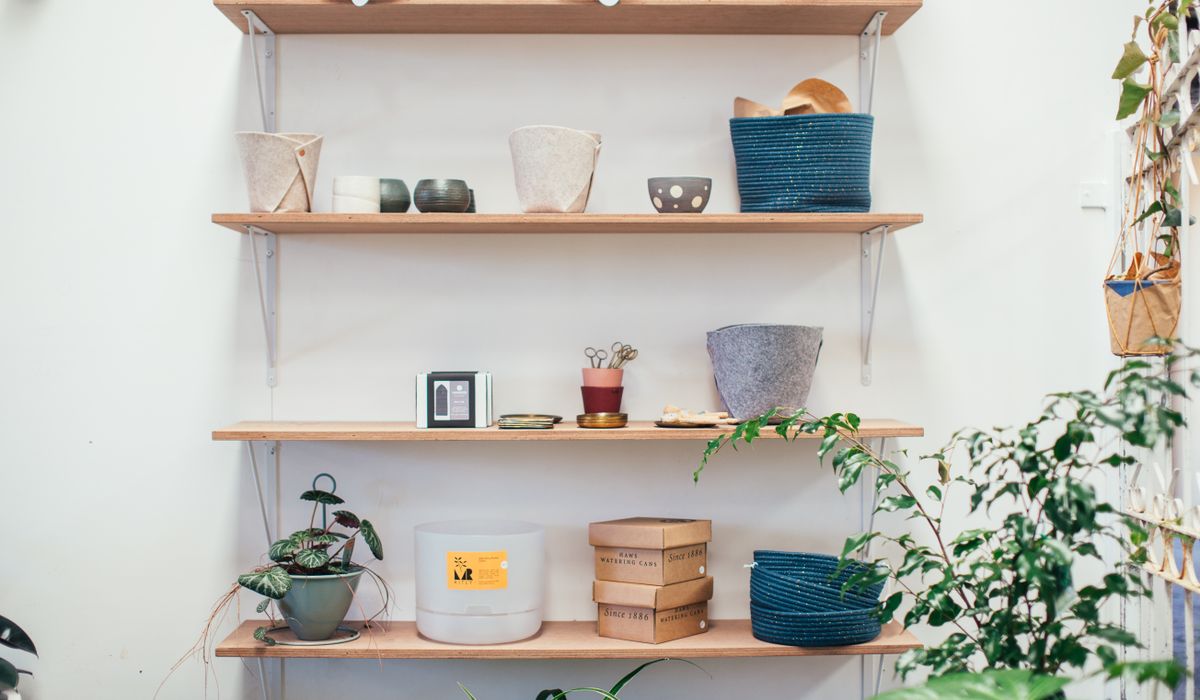
Clever Under-Stair Storage Ideas for UK Family Homes
Why Under-Stair Space Is Worth the Effort
In most UK family homes, the space beneath the stairs is the single largest unused area in the house. It is also one of the most awkward: triangular, sloping, and often home to a tangle of shoes, a hoover and a bike helmet. Yet with a little planning, that same spot can hold coats, wellies, school bags, cleaning kit and even a small pantry — without eating into the hallway you walk through twenty times a day.
The trick is to treat it as a proper joinery project rather than somewhere to shove things. Think about what your family actually drops at the door each morning, then design around that.
Measure Carefully Before You Commit
Under-stair storage lives or dies on accurate measurements. The space is rarely a neat rectangle, and the usable height changes with every step. Before you buy anything, take three measurements at the deepest point: the width at floor level, the height from floor to the underside of the stairs, and the depth from the front face back to the wall.
- Head height: the lowest point of the slope usually has only 300–400mm of clearance, so the bottom third is best used for shallow shoe drawers.
- Depth: aim for 550–600mm for hanging coats, or 400mm if you are storing boxes and bags.
- Services: check for the gas meter, electric meter, consumer unit, stopcock and any radiator pipework. These must stay accessible.
- Structure: the stair string and newel post dictate where cupboards can be fixed. Never cut into them.
If the meter or consumer unit sits under the stairs, plan a hinged door or removable panel rather than sealing it in. Your energy supplier will thank you, and so will you at 11pm when the fuse blows.
Pull-Out Drawers That Actually Get Used
Deep cupboards under stairs are notorious for swallowing things. Pull-out drawers solve this because you can see everything at a glance. Fitted on heavy-duty soft-close runners, a drawer 600mm deep and 500mm wide will happily take a fortnight's worth of shoes, hats and gloves.
For the lowest section, where head height is tight, use shallow drawers of 150–200mm. These are perfect for flip-flops, dog leads, spare keys and the mountain of letters that arrives each week. Mid-height drawers suit school bags and sports kits, while the tallest section near the newel post can take a full-height pull-out for coats and umbrellas.
Ask for 18mm moisture-resistant MDF or birch plywood, and specify runners rated to at least 45kg. Cheap runners on a heavy shoe drawer will sag within a year.
Boot Benches and Family Drop Zones
If your hallway is the family launchpad, build the bench in. A bench seat at around 450mm high gives somewhere to sit while pulling on wellies, and the space underneath becomes open shoe storage or a pull-out tray for muddy trainers.
Above the bench, add a row of hooks at two heights: 1,200mm for younger children and 1,700mm for adults. A shelf 250mm deep above that holds sun cream, post and keys, with a small basket or two for clutter. This one zone alone can clear the floor of a typical family hallway.
Choose a durable finish — a painted MDF bench with a wipe-clean satin top coat stands up well to wet boots and the occasional scraped bike pedal.
Tucked-Away Cupboards for Awkward Angles
The slope of the stairs is not a problem to hide; it is an opportunity. Bespoke angled cupboards follow the line of the string and reclaim every centimetre. Inside, use adjustable shelving so the storage grows with your family's needs.
- Tall narrow cupboard: ideal for an ironing board, broom and mop, with a hook on the door for the dustpan.
- Angled corner unit: works well for board games, craft supplies or a small larder of tins and jars.
- Two-part arrangement: open shelving or a bench at the front, closed cupboards behind, so the visible side stays calm.
If the space is large enough, a slim countertop with a few sockets makes a surprisingly good charging station for tablets, headphones and torches — a small but genuinely useful addition in a busy household.
Finishing Touches That Keep It Tidy
Good storage only works if it is easy to use. Add LED strip lighting inside the deeper cupboards so nothing disappears into shadow. Fit doors with push-to-open catches or simple handles that small hands can manage.
Label baskets and drawer fronts with a marker or chalk pen, and keep a lidded box for out-of-season items at the very back. Once a season, empty the drawers, wipe them out and reassess what actually belongs there. A quick cull in October and March keeps the system working all year.
Done properly, under-stair storage stops being an apology and becomes one of the hardest-working parts of the house — quietly tidying away the chaos of family life, one drawer at a time.


Decluttering
-
Focus on vertical growing, repeat crops, and durable tools to create a generous kitchen garden in a compact outdoor area.


Small Gardens




-

Long established fact that a reader will be distracted
-

Long established fact that a reader will be distracted
-

Long established fact that a reader will be distracted

Storage Ideas
Karla Gleichauf
12 May 2017 at 05:28 pm
On the other hand, we denounce with righteous indignation and dislike men who are so beguiled and demoralized by the charms of pleasure of the moment
M Shyamalan
12 May 2017 at 05:28 pm
On the other hand, we denounce with righteous indignation and dislike men who are so beguiled and demoralized by the charms of pleasure of the moment
Liz Montano
12 May 2017 at 05:28 pm
On the other hand, we denounce with righteous indignation and dislike men who are so beguiled and demoralized by the charms of pleasure of the moment