

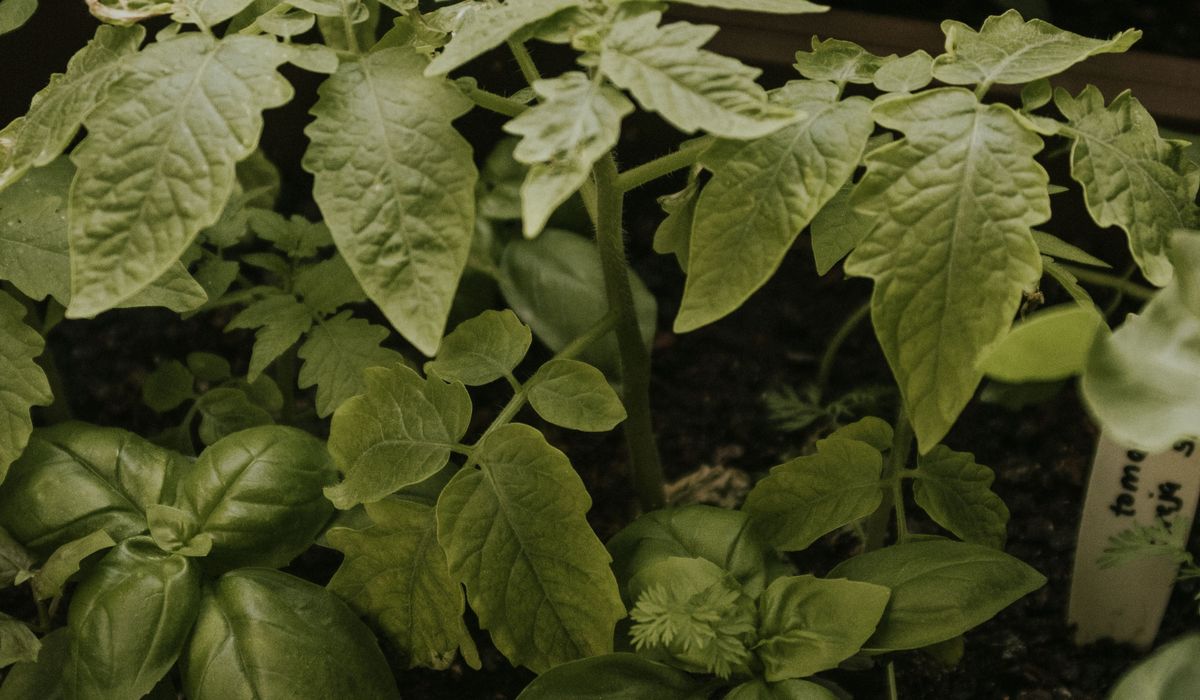
Making the Most of a North-Facing Balcony
Why North-Facing Balconies Deserve a Second Look
A north-facing balcony has a reputation problem. It gets called gloomy, useless, the spot where nothing grows but slugs and regret. In reality, it is often the most comfortable outdoor space in a flat: no blazing midday sun, no scorched leaves, no frantic watering every evening in July. What it needs is a different planting list and a deliberate approach to light.
Before you buy a single pot, spend a day watching the space. Note when direct sun arrives, if at all, and for how long. Many north-facing balconies get a sliver of early morning or late evening light, and that changes what will thrive. Also check wind. Sheltered but shaded is workable; shaded and funnelled between two buildings is brutal, and you will need sturdy pots and tough plants.
Choosing Plants That Genuinely Tolerate Shade
Ignore the herbs that sulk without sun. Basil, rosemary, thyme, lavender and oregano all want at least six hours of direct light and will go leggy and tasteless on a north balcony. Instead, build your planting list around foliage and shade-tolerant edibles.
- Herbs: mint (keep it in its own pot, always), parsley, chives, coriander, chervil, wild rocket, lovage and sweet cicely. All cope with partial shade and give you a decent harvest.
- Ferns: hart's tongue fern, soft shield fern, lady fern and the evergreen Polypodium types. They love the cool, damp conditions a north balcony provides and look far more expensive than they are.
- Hostas: perfect for containers, endlessly varied in leaf pattern, and happiest out of direct sun. Choose smaller varieties for pots, such as 'Blue Mouse Ears' or 'Golden Tiara'.
- Foliage fillers: heuchera, brunnera, ajuga, ivy, Japanese forest grass and hardy cyclamen for winter interest.
- Flowering extras: busy lizzies, fuchsias, begonias and nicotiana will all flower reasonably well in light shade, and white varieties glow beautifully at dusk.
If you are growing edibles, remember that shade slows growth rather than stopping it. Expect smaller, softer leaves and a longer time to cropping. Sow a little more than you would in full sun and succession-sow every three weeks from March to August.
Brightening With Pale Pots and Reflective Surfaces
Light on a north balcony is scarce and precious, so treat it as a design material. Dark pots, dark fencing and dark furniture absorb what little arrives. Pale terracotta, cream glazed ceramic, galvanised zinc and light grey fibreglass all bounce light back into the planting and lift the whole space.
Group pots together rather than spacing them out. A cluster creates humidity, shades the compost surface, and reads as a single generous display rather than a sad row of stragglers. Use one or two tall plants at the back to add height, mid-sized pots in the middle, and low, trailing plants at the front.
Reflective surfaces are the cheapest trick available. A small mirror screwed to a wall, a sheet of brushed metal, a white-painted trellis, even a pale gravel tray under your pots will all make the balcony feel lighter. Position mirrors to catch whatever light you do get and throw it back across the plants. Just avoid aiming them at a neighbour's window.
Watering, Drainage and the North-Facing Quirk
Shade does not mean no watering, but it does mean less evaporation, which has two consequences. First, you will water less often, perhaps every three or four days in summer rather than daily. Second, compost stays wet for longer, which is exactly what ferns and hostas want but death for anything drought-loving.
Check moisture by pushing a finger two inches into the compost rather than going by the calendar. Always use pots with drainage holes, and stand them on feet or gravel so they are not sitting in a puddle. Add a layer of horticultural grit on top of the compost to stop slugs and keep the surface from going green.
Feed lightly. Shade-grown plants use fewer nutrients, and overfeeding produces floppy, soft growth that slugs adore and wind destroys. A diluted liquid feed every three weeks from April to August is plenty for most containers.
Making It Somewhere You Actually Sit
Comfort matters as much as planting. A north-facing balcony can be cold, so include a windbreak of some kind: a slatted screen, a row of tall pots, or a piece of outdoor fabric tied to the railing. Slatted designs block wind while letting light through, which solid panels do not.
For furniture, choose light-coloured metal or pale wood over dark wicker. Add a small outdoor rug in a cream or soft grey, which instantly makes the space feel like a room. A battery-powered or solar-charged outdoor lamp, a candle lantern and a few cushions will extend its use well into the evening.
One last practical point: keep a small lidded box for secateurs, twine and gloves, and a lightweight watering can you can fill without a struggle. A balcony that is easy to tend is a balcony that gets tended. Do that, and a north-facing space becomes the cool, green, quietly lovely corner of the flat rather than the one you avoid.


Decluttering
-
Assign each person a labelled tray, use vertical file holders, and keep shared stationery in a central caddy.

Small Gardens



-

Long established fact that a reader will be distracted
-

Long established fact that a reader will be distracted
-

Long established fact that a reader will be distracted


Storage Ideas
Karla Gleichauf
12 May 2017 at 05:28 pm
On the other hand, we denounce with righteous indignation and dislike men who are so beguiled and demoralized by the charms of pleasure of the moment
M Shyamalan
12 May 2017 at 05:28 pm
On the other hand, we denounce with righteous indignation and dislike men who are so beguiled and demoralized by the charms of pleasure of the moment
Liz Montano
12 May 2017 at 05:28 pm
On the other hand, we denounce with righteous indignation and dislike men who are so beguiled and demoralized by the charms of pleasure of the moment