

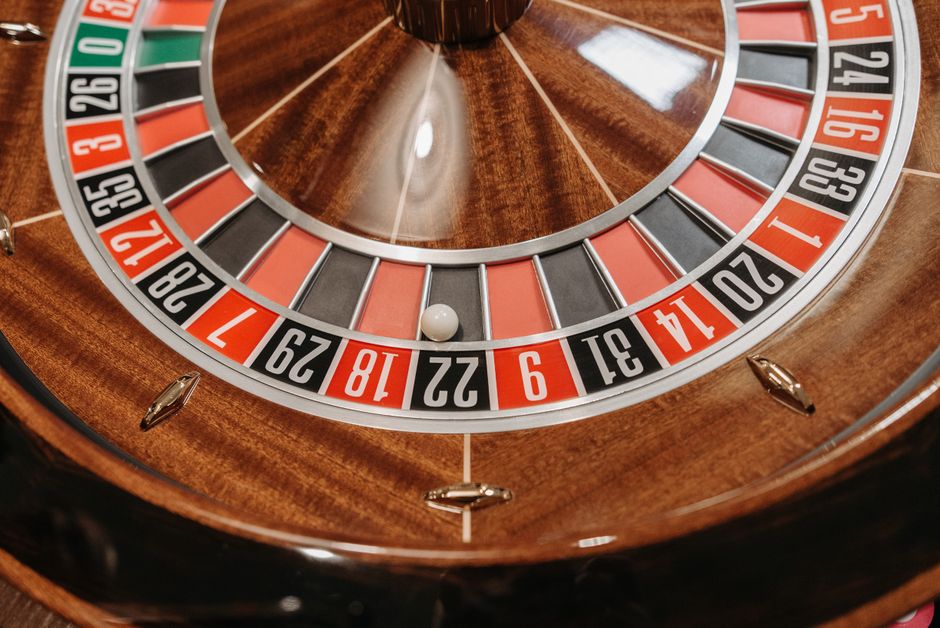
The Real Math Behind Slot RTP (And Why It Doesn't Work How You Think)
Every slot player has heard the phrase "this machine has a 96% RTP" and nodded along like it meant something obvious. It doesn't. Not in the way most people assume, anyway. RTP, or return to player, is one of the most quoted and least understood numbers in iGaming, and the gap between what it mathematically means and what players think it means has cost people a lot of money over the years. Let's pull it apart properly.
What RTP Actually Measures
RTP is a theoretical figure calculated over millions of spins, usually tens or hundreds of millions. A 96% RTP means that across that enormous sample, the machine returns 96 units for every 100 wagered, and the house keeps 4. It is not a promise about your session. It is not a target the game "works toward" during your play. It is a long-run statistical expectation, and the word long is doing a lot of heavy lifting there.
Here's the part that trips people up: a slot with 96% RTP can absolutely eat 40% of your bankroll in an hour and still be perfectly compliant with its design. Variance is the missing half of the conversation. Two games with identical RTP can have wildly different volatility profiles — one paying out often in small amounts, the other sitting silent for 300 spins before dumping a massive win. RTP tells you the average. It tells you nothing about the shape of the ride.
Volatility: The Number That Actually Affects Your Session
If you only learn one thing from this article, make it this: volatility matters more than RTP for your actual experience. Providers typically classify slots into low, medium, and high volatility.
- Low volatility (think classic 3-reel fruit slots): frequent small wins, slow bankroll drain, rare huge payouts. Good for stretching a small balance.
- Medium volatility: a balance of both. Most modern 5-reel video slots sit here — think Book of Dead-style designs or the mid-tier Pragmatic releases.
- High volatility: long dry spells, occasional enormous wins. Games like Money Train or San Quentin series. Brutal on a small bankroll, thrilling on a big one.
A 96.5% high-volatility slot and a 96.5% low-volatility slot share the same theoretical return, but the former will bankrupt most players in a single session before the math ever gets a chance to even out.
The 4,000-Spin Reality Check
Let's put numbers on it. Say you're playing a 96% RTP slot at £1 per spin for 1,000 spins. Theoretical loss is £40. Simple. But in practice, your actual result will be somewhere in a massive distribution — you could be up £200 or down £400, and neither outcome would be remotely unusual. The house edge only becomes visible at sample sizes most players will never reach.
This is why "I've been losing for three hours, it's due to pay" is a fallacy. Every spin is an independent event on certified RNG software. The machine does not remember your losses. It does not owe you a bonus. This is called the gambler's fallacy, and it's the single most expensive misconception in the casino world. More background can be found at สล็อต.
Where RTP Varies By Market (And Why You Should Care)
Here's something most players never notice: the same slot can ship with different RTPs depending on the market it's licensed for. A Pragmatic Play title might run at 96.5% in one jurisdiction, 94% in another, and as low as 92% in a third. The game looks identical. The paytable looks identical. Only the math underneath changes.
This is legal. Regulators allow a band of acceptable returns, and operators optimise toward the lower end where competition is soft. Before you commit real money to a slot, check the help screen or the game's information tab — most reputable providers display the exact RTP there. It's usually buried two clicks deep, and that's not an accident.
A quick checklist before you spin:
- Find the game's stated RTP in the info/rules screen.
- Check the volatility rating (most providers publish it).
- Match that volatility to your bankroll size and session length.
- Set a hard stop-loss and stick to it like a rule, not a suggestion.
Poker and Sports Betting Play By Different Rules
Worth noting that this RTP logic doesn't translate neatly across iGaming. In poker, you're not playing the house — you're playing other humans, and the only built-in cost is the rake (typically 2.5% to 5% of the pot). A skilled player can be long-term profitable precisely because the house edge isn't baked into every hand. That's the structural difference between poker and slots, and it's why serious players gravitate toward games of skill.
Sports betting sits somewhere in between. Bookmakers build a margin into the odds — an overround of roughly 4% to 8% on a typical two-way market — so the house edge is always present, but a bettor with a genuine informational or analytical edge can overcome it. Slots, by contrast, are mathematical certainties. No strategy changes the underlying return.
The Honest Takeaway
None of this is designed to kill the fun. Slots are entertainment products, and they're brilliant at what they do — the lights, the near-misses, the escalating tension in a bonus round. The problem isn't playing them. The problem is playing them while believing a story that isn't mathematically true.
If you walk into a session knowing the RTP is a long-run average, that volatility determines your short-run experience, and that no amount of losing spins increases your odds on the next one, you're already ahead of most players. Check the numbers, pick the volatility that matches your bankroll, and treat the money you spend as the cost of the entertainment — not as a deposit waiting to be returned. That's not pessimism. That's just knowing the game you're actually playing.


Decluttering
-
Make the most of awkward under-stair space with pull-out drawers, boot benches, and tucked-away cupboards for everyday essentials.


Small Gardens




-

Long established fact that a reader will be distracted
-

Long established fact that a reader will be distracted
-

Long established fact that a reader will be distracted



Storage Ideas
Karla Gleichauf
12 May 2017 at 05:28 pm
On the other hand, we denounce with righteous indignation and dislike men who are so beguiled and demoralized by the charms of pleasure of the moment
M Shyamalan
12 May 2017 at 05:28 pm
On the other hand, we denounce with righteous indignation and dislike men who are so beguiled and demoralized by the charms of pleasure of the moment
Liz Montano
12 May 2017 at 05:28 pm
On the other hand, we denounce with righteous indignation and dislike men who are so beguiled and demoralized by the charms of pleasure of the moment